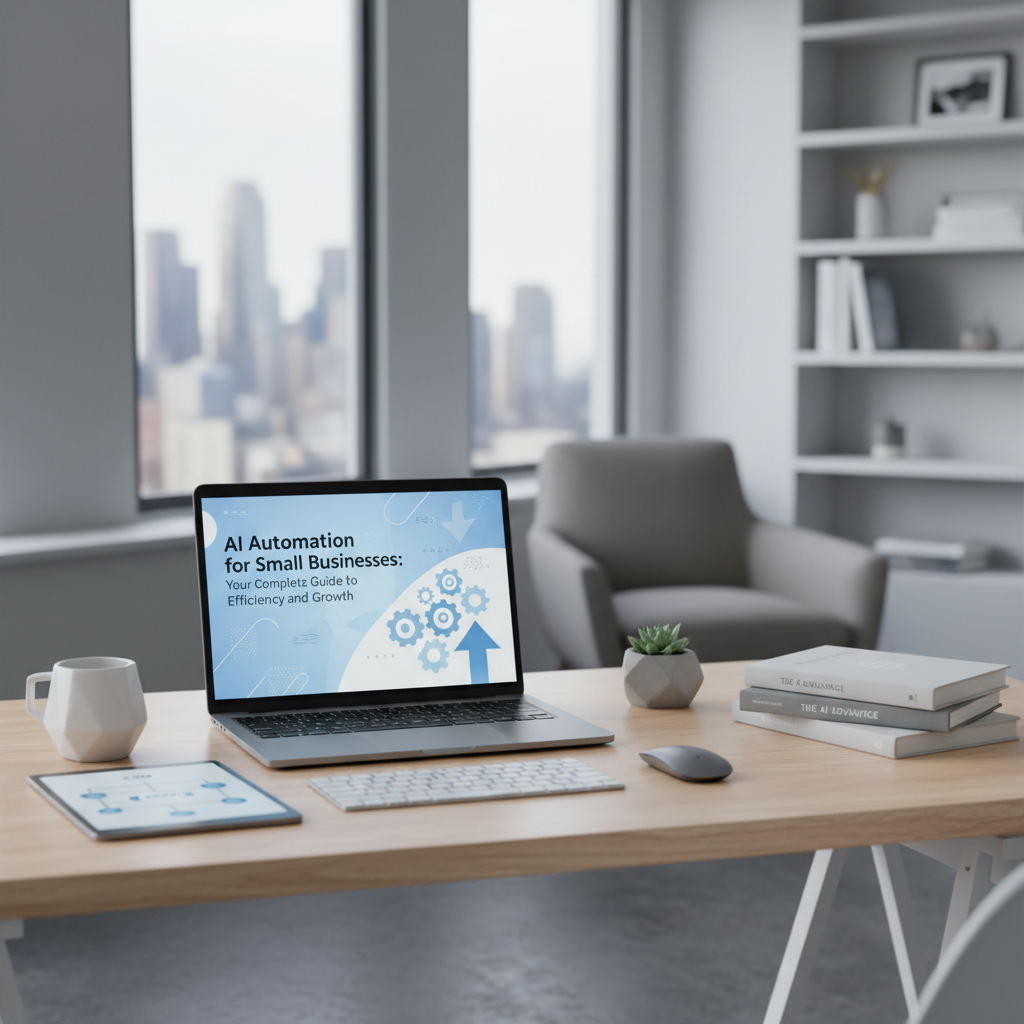
Understanding the difference between AI agents and chatbots is essential for small business owners looking to optimize their operations with AI automation. While both technologies can improve customer interactions, they serve distinct roles that can significantly impact efficiency and effectiveness. Choosing the right solution can not only enhance customer experience but also boost your bottom line.
Distinguishing AI Agents from Chatbots
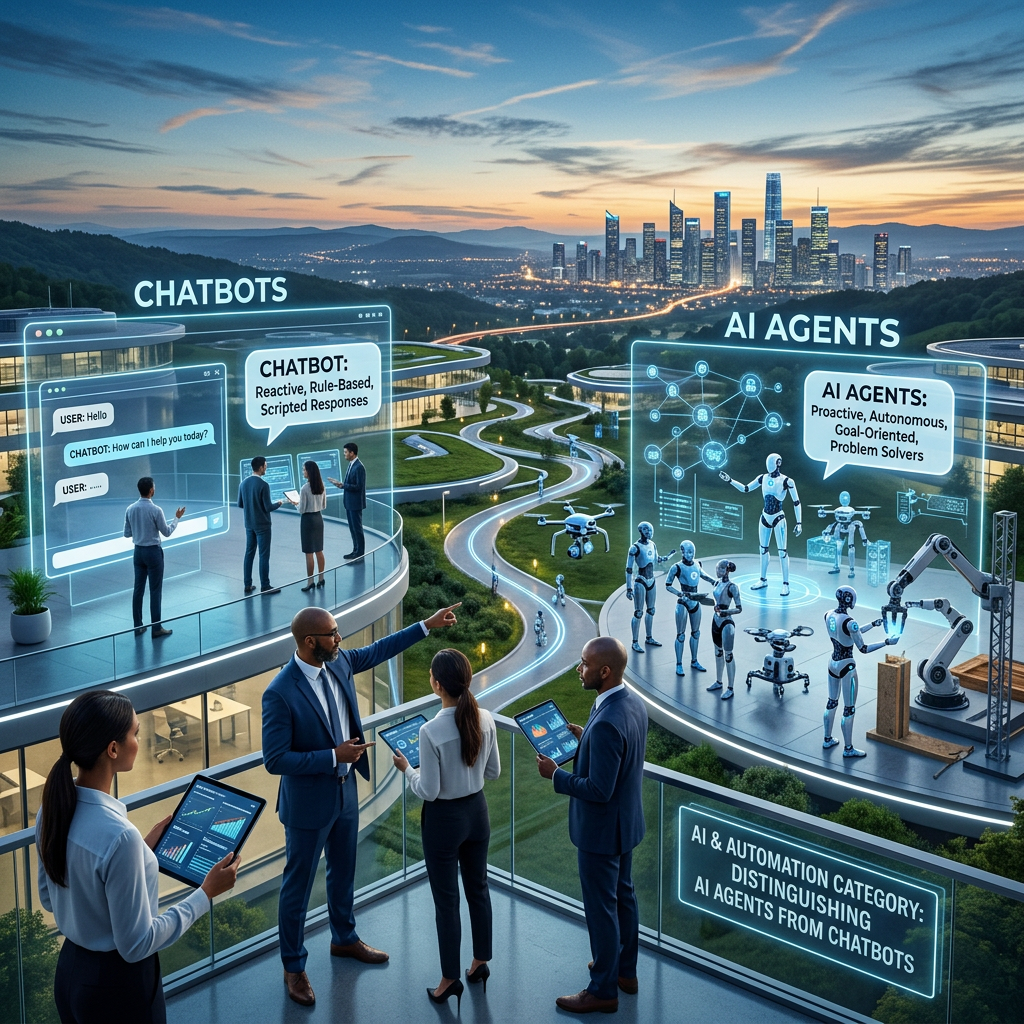
When exploring automation, you may encounter the terms "AI agent" and "chatbot" used interchangeably. However, they represent fundamentally different technologies. A chatbot exists primarily as a conversational interface. It processes input from users and generates responses based on pre-programmed algorithms or machine learning models. While advanced chatbots can maintain context and answer FAQs, they fundamentally lack the ability to take initiative or perform tasks outside of conversation.
On the other hand, an AI agent is a proactive solution. AI agents can grasp a goal, devise a series of steps to achieve it, and execute those actions autonomously. They can interact with other systems, access live data, and manage tasks from start to finish without needing continuous human oversight. The difference between the two is not merely a matter of sophistication; it's a matter of functionality.
Capabilities of Modern Chatbots
Today's chatbots, leveraging technologies like GPT-4 or Claude, are becoming increasingly adept at engaging in human-like conversations. They can:
- Address inquiries in natural language
- Retain context throughout a conversation
- Manage FAQs, provide product information, and assist with basic troubleshooting
- Route complicated queries to human representatives when escalation is necessary
- Draft content, summaries, and explanations upon request
Despite these capabilities, chatbots remain fundamentally reactive. They respond to specific inputs but cannot proactively initiate actions, such as accessing external databases or completing tasks requiring integration with your existing systems.
For instance, when a customer asks a chatbot, "Can you reschedule my appointment to Thursday?" the chatbot can only respond suggestively with: "Please call our office or visit our website to update your appointment." In contrast, an AI agent would handle that request by checking availability, rescheduling the appointment, and confirming with the customer.
What AI Agents Bring to the Table
AI agents are designed to achieve specific objectives efficiently. When assigned a task, they can:
- Decompose the goal into actionable components
- Query live data from your databases, calendars, CRMs, and APIs
- Orchestrate multi-step workflows across various systems
- Make informed decisions at each stage using contextual information
- Automate communications, manage records, and process data autonomously
- Continuously monitor progress and adjust actions based on outcomes
- Operate non-stop, providing support around the clock
Unlike chatbots, AI agents are not confined to conversational exchanges. They excel in background operations, ensuring that workflows are handled smoothly and efficiently.

Comparing Performance: AI Agents vs. Chatbots
To clarify the distinction between chatbots and AI agents, consider a typical scenario in a medical practice with a new patient reaching out:
Chatbot response: "Our office operates Monday to Friday from 9 AM to 5 PM. You can schedule an appointment by calling (555) 000-1234 or visiting our website."
AI Agent response: The agent conducts a structured intake process, gathering the patient’s details, verifying insurance eligibility in real-time, finding the next available appointment aligned with both the patient's needs and the physician’s schedule, confirming the booking, sending a text and email confirmation, adding the patient's record to the EHR system, and implementing a reminder system to alert the patient 48 hours before their appointment—all without human involvement.
This example illustrates the critical contrast between a mere information provider and a comprehensive automation solution.
When to Choose Each Technology
Both chatbots and AI agents play valuable roles in business automation. The decision depends on your specific objectives.
When Chatbots Make Sense
- For affordable solutions to address repetitive, high-volume inquiries.
- When your primary focus is on improving response times to incoming questions.
- In cases where interactions do not necessitate integration with other systems.
- If you’re looking for a supplementary tool rather than a full-scale automation system.
When AI Agents Are the Better Choice
- When you're looking to automate entire workflows, beyond just chat interactions.
- If tasks involve multiple steps or require interaction with various systems.
- For situations where you need the AI to perform actions like updating records, sending messages, or booking appointments.
- When your goal is to significantly reduce costs and enhance operational efficiency.
- If you want an automation solution that scales effectively without a corresponding rise in costs.
For small businesses committed to maximizing the return on automation investments, AI agents often provide the most meaningful benefits. Though chatbots can enhance customer interaction, they can’t match the efficiency gains associated with AI agents.
The Hybrid Approach: Maximizing Efficiency
The most effective solutions often integrate both technologies: a conversational interface that feels like a chatbot, coupled with the backend functionality of an AI agent. This allows customers to enjoy a seamless conversational experience while the AI agent executes complex workflows simultaneously.
This hybrid model combines user-friendly interactions with the robust capabilities of workflow automation, striking the perfect balance between ease of use and powerful functionality.
Implications for Your Small Business
If you're relying solely on a chatbot and noticing a lack of returns from your automation efforts, it could be time to reassess your approach. Chatbots serve important functions but aren't designed to manage complex workflows. It’s not that chatbots are an obsolete technology; they simply may not suit your operational needs.
With advancements in AI architecture, agentic systems can undertake tasks that previously required dedicated software, full-time personnel, or costly enterprise-level solutions—all at a level of investment that small and mid-sized businesses can handle.
At Coregentic AI, we specialize in creating custom AI agents tailored to your unique business workflows. Whether you aim to automate patient scheduling, enhance lead follow-up, streamline document processing, or manage customer communications, we design agent architectures that deliver real results.
Book a free consultation to identify the workflows in your business that are ready for AI agent automation.
Frequently Asked Questions
How do costs compare between AI agents and chatbots?
Implementing AI agents usually incurs higher initial costs due to the complexities of the architecture and integrations. However, their ability to replace labor-intensive tasks often results in a more significant return on investment compared to basic chatbots focused only on conversation.
Is it possible to upgrade a chatbot to an AI agent?
Typically, transitioning from a chatbot to an AI agent involves more than just an upgrade; it requires a complete overhaul of the underlying system. However, existing conversation flows and FAQ content can be useful in shaping the new agent's dialogue patterns.
Do AI agents require more maintenance compared to chatbots?
While both systems need regular upkeep, their requirements vary. Chatbots need updates based on changes in FAQs, while AI agents necessitate adjustments as workflows change or as new systems are introduced. A trusted implementation partner will assist with ongoing support.
Can AI agents handle voice interactions effectively?
Absolutely! Modern AI agents can be voice-enabled, managing incoming calls with natural language while executing backend workflows in real-time. This is especially beneficial for industries like healthcare where phone communication is crucial.
Understanding the differences between chatbots and AI agents can help you choose the right technology for your small business. For tailored automation solutions, reach out to Coregentic AI and explore how we can enhance your operational efficiency today!