The landscape of AI automation is evolving, shifting from basic single-agent solutions to advanced multi-agent systems capable of transforming how small businesses operate. This new wave of technology harnesses coordinated networks of specialized AI agents that collaboratively tackle complex tasks, enhancing efficiency and effectiveness. It's essential for small business owners to understand the capabilities of multi-agent AI as they consider future automation investments.
Understanding Multi-Agent AI Systems
Multi-agent systems offer a new approach to automation by integrating both orchestrators and specialists into a cohesive unit.
The Role of Orchestrator Agents
At the core of these systems are the orchestrator agents, serving as strategic managers. They receive overarching goals, break them down into smaller tasks, assign these tasks to specialist agents, and track their progress. This orchestration ensures that tasks are performed without the need for constant oversight.
Orchestrator agents rely on sophisticated reasoning models for complex planning. They adjust dynamically to ongoing processes, ensuring that the main objectives are met efficiently as any single agent's performance may vary.
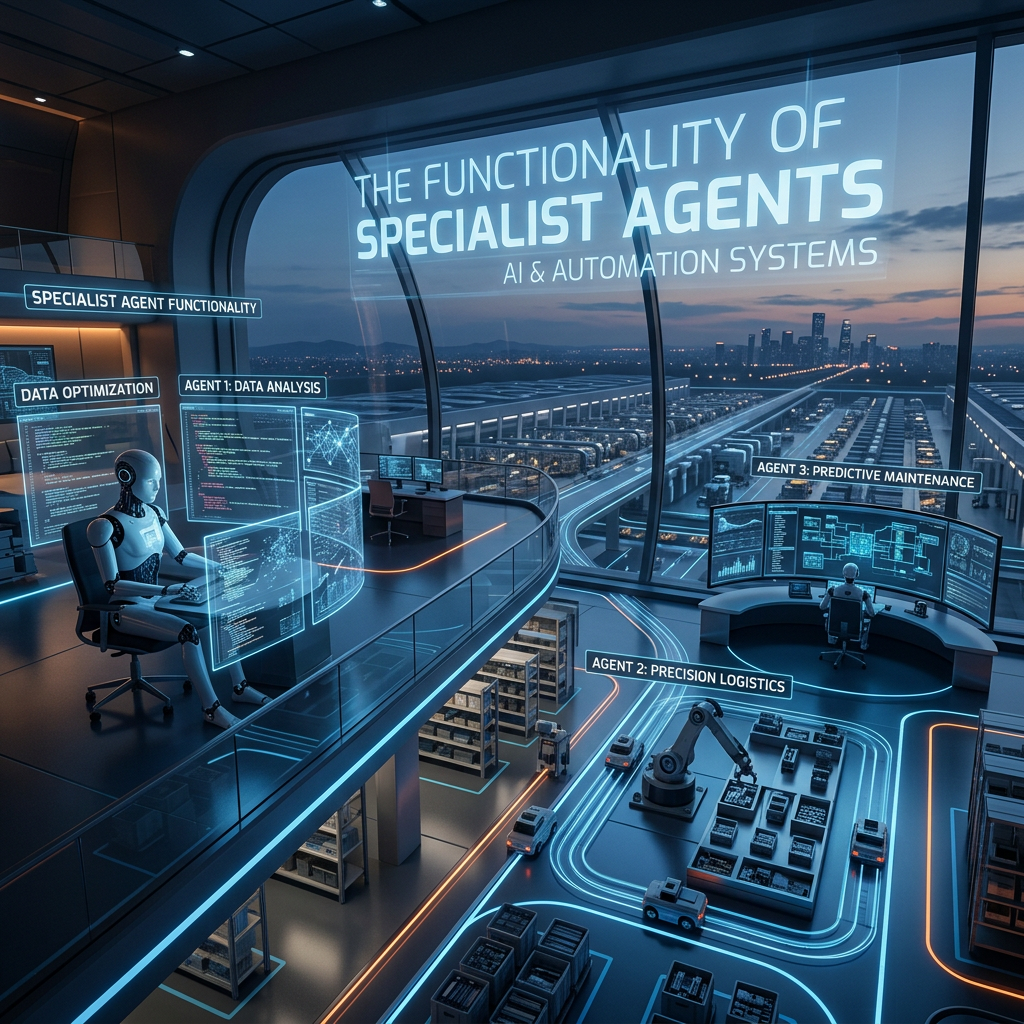
The Functionality of Specialist Agents
Each specialist agent is designed for specific functions within a workflow. Common examples of specialist agents used in small business applications include:
- Research Agents: Conduct web searches and analyze competitive intelligence.
- Document Agents: Draft, review, and extract data from documents.
- Communication Agents: Handle emails, SMS, and messages.
- CRM Agents: Manage customer records effectively.
- Calendar Agents: Coordinate scheduling and availability.
- Compliance Agents: Verify outputs against relevant rules.
- Data Agents: Produce reports and identify data anomalies.
The advantage of this approach lies in specialization. Just as a skilled chef outperforms a novice, a contract review specialist agent excels where a generalist might falter.
The Benefits of Parallelization in Workflows
One of the most outstanding features of multi-agent systems is their ability to perform tasks concurrently, drastically reducing process times. Rather than following a sequential line of execution, these systems allow multiple agents to work on different steps simultaneously.
For instance, a workflow traditionally requiring 45 minutes to complete could be handled by a multi-agent system in as little as 8 minutes, thanks to parallel task execution. This significant efficiency improvement is particularly valuable for small businesses looking to maximize their productivity.
A Real-World Example: Streamlining Legal Client Onboarding
To illustrate the power of multi-agent systems, let's consider a law firm's client onboarding process. When a new client submits an intake form, the orchestrator initiates a series of tasks that run concurrently, including:
- Intake Agent: Conducts a qualification interview, gathering vital case details.
- Conflict Check Agent: Simultaneously searches for potential conflicts of interest among existing clients.
- Research Agent: Gathers publicly accessible information regarding the new client.
- Document Agent: Begins drafting the engagement letter with collected information.
Once the preliminary checks are completed, the orchestrator evaluates the results:
- If no conflicts arise, it triggers the CRM Agent to create a client record, the Communication Agent to send a welcome email, and the Calendar Agent to schedule an appointment.
- If a conflict is detected, it escalates the issue to a human attorney, complete with all gathered data.
This process, which used to take 45 to 90 minutes, can now be completed in under 2 minutes, delivering consistent and rapid outcomes.

When to Choose Multi-Agent Systems vs. Single Agent Solutions
Not every task requires multi-agent architecture. Simple, straightforward workflows may benefit more from single-agent systems, especially when:
- Tasks are focused and have clear input-output relationships.
- There is no need for diversified expertise.
- Ease of implementation is a priority.
Conversely, multi-agent systems shine in scenarios where:
- Workflows involve multiple distinct steps across several functional areas.
- Speed and efficiency are critical.
- Specialized knowledge is required for different parts of the process.
- Fault tolerance is needed, ensuring robust operations even when one agent fails.
- Scalability demands multiple simultaneous executions.
Industries Benefiting from Multi-Agent AI Systems
Healthcare Transformation
In healthcare, multi-agent systems streamline patient scheduling, verify insurance, input EHR data, and manage post-visit follow-ups from a single interaction. This coordination dramatically reduces delays and enhances accuracy in administrative tasks.
Legal Advancements
Law firms are increasingly using multi-agent architecture to automate client onboarding, document evaluations, and deadline management. Specialized agents work together to handle conflict checks and document generation seamlessly.
Financial Services Efficiency
In the financial sector, multi-agent systems expedite loan application processing, underwriting research, and applicant communications, collapsing processes that once took days into just hours.
Revolutionizing Real Estate Transactions
Real estate firms are integrating multi-agent networks to oversee the entire transaction lifecycle, including document collection, title coordination, and milestone updates, all executed concurrently for maximum efficiency.

Building Your Own Multi-Agent System
Starting with multi-agent automation can be straightforward. Here’s a step-by-step guide:
- Identify a High-Impact Workflow: Begin with an automation that can show immediate benefits, building confidence within your team.
- Determine Specialization Points: Recognize which steps naturally require distinct expertise to define specialist agent roles.
- Map Workflow Dependencies: Understand which tasks must happen sequentially and which can occur in parallel to optimize orchestration.
- Build Incrementally: Introduce one specialist agent at a time, ensuring seamless integration with existing systems.
- Monitor and Optimize: Adjust your system based on real-world performance data, continually improving its effectiveness.
At Coregentic AI, we create tailored multi-agent architectures for businesses in every sector. Our comprehensive approach encompasses orchestration, specialist agent development, seamless system integration, and ongoing optimization.
Book your free consultation today to discover how multi-agent AI can revolutionize your business workflows.
Frequently Asked Questions
How does a multi-agent system differ from automated workflow tools like Zapier?
Zapier automates simple rule-based actions, while multi-agent systems use complex reasoning to adapt to unstructured challenges, handle exceptions, and make context-sensitive decisions.
What happens if one agent fails in a multi-agent AI setup?
Multi-agent systems are designed with fault tolerance in mind. If one agent fails, the orchestrator reroutes tasks to maintain continuity, ensuring the whole system remains robust.
How long does it take to develop a multi-agent system?
Basic multi-agent workflows can be set up in 6 to 10 weeks. More complex systems may take several months, depending on the intricacy of the workflows involved.
Is multi-agent automation more costly than single-agent options?
While the initial investment in multi-agent systems may be higher, they typically offer greater returns by automating entire processes rather than isolated tasks, making them a compelling choice for workflows with substantial manual costs.
Explore the potential of multi-agent AI today to elevate your business efficiency—start by scheduling a consultation with us!