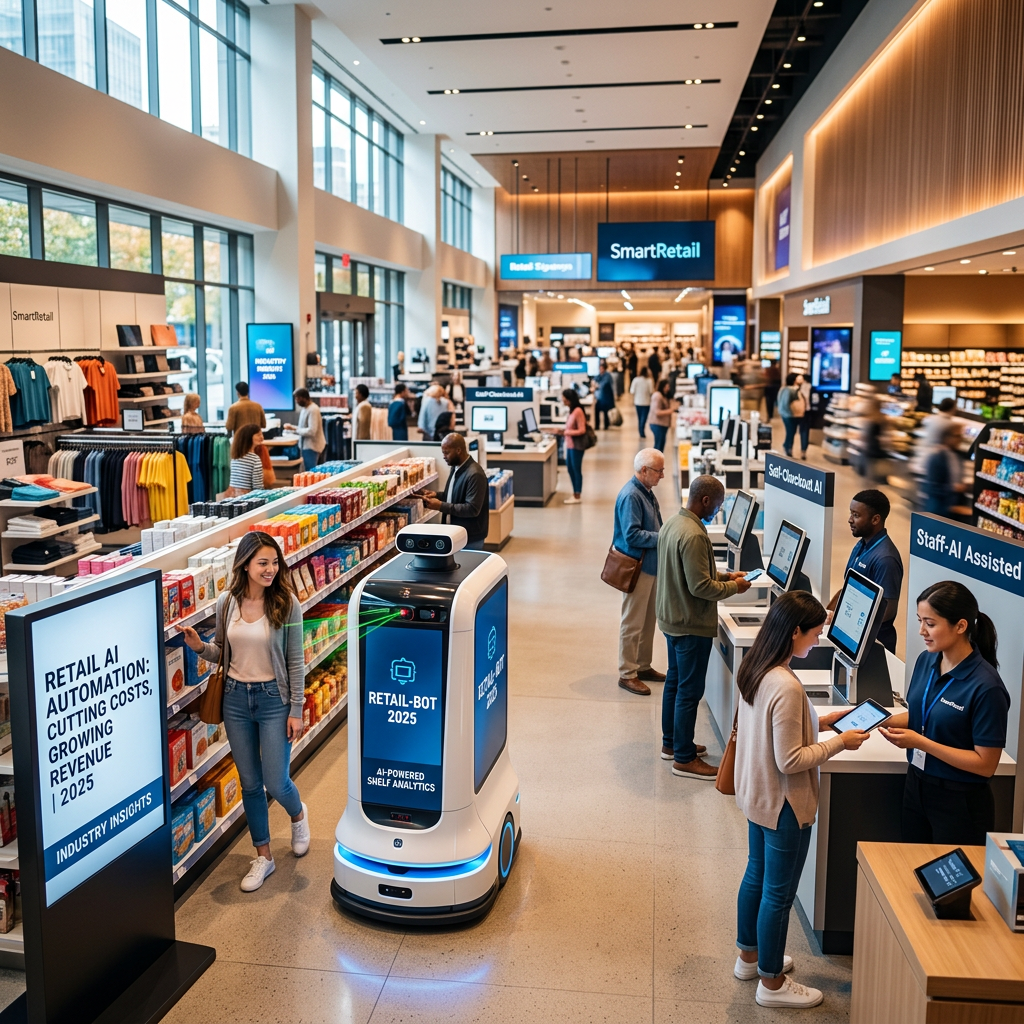
Retailers today face unprecedented challenges, ranging from rising labor costs due to minimum wage increases to the complexities of supply chain management. For small business owners, the pressure to compete with e-commerce giants can feel overwhelming. Fortunately, AI automation is no longer just a luxury; it's an essential tool for survival and growth. By leveraging AI, retail businesses can streamline operations, cut costs, and elevate customer experiences. This article explores key areas where AI automation can make a significant difference in retail operations.

Optimizing Inventory Management with AI
One of the most pressing issues for retailers is inventory management. Striking the right balance between having enough stock and avoiding overstock can be challenging. AI automation significantly improves this process, turning inventory management from a cumbersome task into a smooth operation.
Enhanced Reorder Management
AI tools assess inventory levels in real-time. They calculate optimal reorder points based on factors like sales velocity and lead times. This automated approach not only eliminates stockouts but also reduces the risk of overordering. By ensuring you have the right amount of stock, you can protect your profit margins while keeping customers satisfied.
Accurate Demand Forecasting
Demand forecasting is vital for avoiding stockouts and managing resources effectively. AI models analyze patterns in historical sales data, seasonality, and even local events to create more reliable forecasts compared to human intuition. Retailers who utilize these AI-driven insights often see a 20-35% reduction in stockout incidents, leading to fewer lost sales opportunities.
Automating Vendor Communication
Every purchase order, delivery confirmation, and vendor performance tracking currently relies on manual engagement. AI can streamline this process by automating routine communications. Imagine having your procurement systems integrated with AI that can manage these tasks seamlessly while freeing up your staff to focus on strategic initiatives instead.
Transforming Customer Communication and Personalization
Today’s customers expect tailored experiences, and AI automation helps smaller retailers close the personalization gap with larger competitors.
Personalized Marketing Campaigns
AI technology analyzes customer data, such as purchase history and browsing behavior, to segment your audience effectively. With this information, you can send personalized messages, like restock alerts for previously purchased items and tailored promotions. Retailers utilizing these personalized campaigns can improve conversion rates by a remarkable 3–5x, translating to significant revenue gains.
Automating Loyalty Programs
Managing a loyalty program manually can be a drain on resources. AI automates tracking points, processing redemptions, and sending notifications. This ensures customers receive timely communication about their loyalty status and personalized offers, boosting repeat purchase rates by 15–25% compared to manual programs.
Recovering Abandoned Carts
For those operating online stores, abandoned cart recovery is a pivotal area for automation. By implementing AI-driven communication strategies, businesses can recover 10–15% of abandoned carts, bringing back revenue that would otherwise be lost.
Streamlining Customer Support with AI
Many customer inquiries can be predicted and addressed through automation. Issues like order status, return policies, and product availability often consume substantial support resources.
Automating Common Queries
AI support agents can handle common customer questions instantly and around the clock. This efficiency allows your customer service team to focus on more complex issues, enhancing overall customer satisfaction. Retailers that deploy AI for customer support often find that 65–75% of inquiries can be resolved without human intervention.
Simplifying Order Processing and Fulfillment
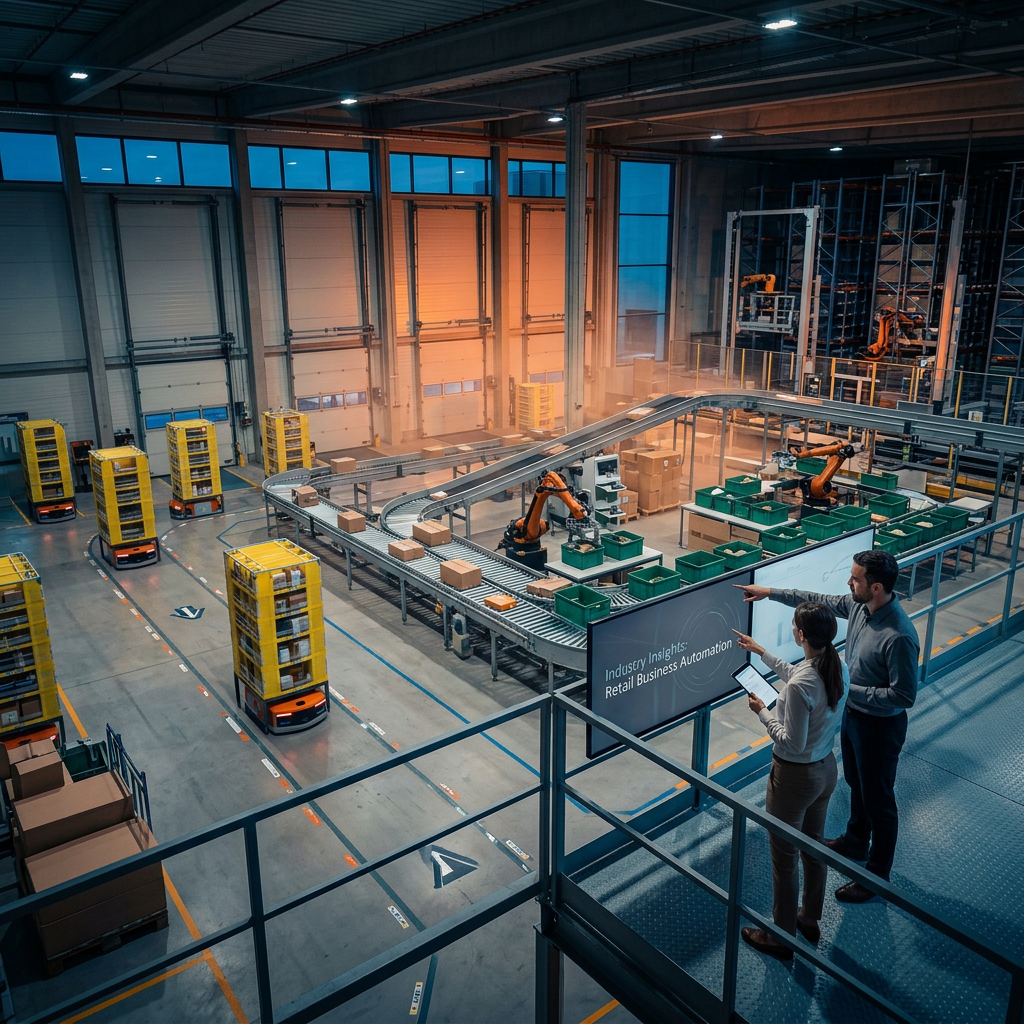
Order fulfillment generates a lot of communication, often requiring manual updates throughout the process. AI can streamline this by automating notifications regarding order confirmations and shipping updates, ensuring accuracy and timeliness.
Exception Handling Automation
In cases where an order can’t be fulfilled as requested, AI can proactively inform the customer about alternatives tailored to their needs. This efficiency keeps customers engaged and encourages them to complete their purchases, minimizing the likelihood of abandoned orders.
Optimizing Staff Scheduling with AI
Labor costs represent a significant portion of retail expenses, and using AI for scheduling can lead to substantial savings. AI solutions analyze historical data to predict traffic patterns and recommend staffing schedules that align closely with customer demand.
Improvement in Labor Hours
Retailers utilizing AI-driven scheduling often achieve an 8–15% reduction in total labor hours while also boosting customer satisfaction scores. This optimization ensures your team is available during peak times, enhancing the overall customer experience.
E-Commerce-Specific Automation Opportunities
For businesses that combine physical shops and e-commerce or operate solely online, several additional avenues for AI automation exist:
- Dynamic Pricing: Adjust prices automatically based on market trends and demand.
- Real-Time Product Recommendations: Personalized suggestions based on consumer behavior.
- Automated Review Requests: Timed to maximize customer engagement post-purchase.
- SEO Optimization: AI can create product descriptions that enhance visibility on search platforms.
- Fraud Detection: Automatically flag suspicious activities before orders are processed.

Estimating the ROI from Automation
To illustrate the potential impact of AI automation, consider a mid-sized retailer with $3 million in annual revenue:
- Inventory Optimization: $45,000/year recovered revenue from reduced stockouts.
- Personalized Marketing: $35,000/year additional revenue from improved campaign performance.
- Customer Support Automation: $30,000/year in labor savings from reduced support volume.
- Scheduling Optimization: $18,000/year in labor savings from efficient staffing.
Total Annual Value: $128,000
Considering an automation investment of $18,000 per year, the ROI for such a scenario can exceed 611% — a return that speaks volumes about the potential of AI solutions.
At Coregentic AI, we offer tailored retail automation systems designed to suit your unique operational model. Whether you manage a local boutique or a larger retail chain, book your free consultation to explore how AI can enhance your business.
Frequently Asked Questions
Can brick-and-mortar stores benefit from AI automation?
Absolutely! Physical retailers can leverage AI for inventory management, customer communications, and staff scheduling, just as effectively as online retailers.
How easy is it to integrate AI solutions into my existing systems?
Many modern POS and inventory systems include APIs that facilitate easy integration with AI platforms. The complexity of integration will depend on the specific workflows you're looking to automate.
What’s the best approach to start with AI without disrupting operations?
Focus on a high-impact area, such as customer communication or inventory reorder management, to pilot your AI implementation. Successful small-scale tests can pave the way for broader deployment.
Can AI help during busy seasons?
Yes, AI can scale operations to handle increased demand during peak shopping periods without a proportional increase in staffing, showcasing significant advantages in operational efficiency.
Embrace the future of retail with AI solutions tailored for your business. Book a consultation today and unlock the full potential of automation for your small business.